Embroidery is no longer limited to large garment factories or traditional tailoring shops. Today, a single embroidery machine can be used to take orders for customised clothes, uniforms, caps, bags, home textiles, and more.
That is one reason an embroidery business in India has become an option for people looking to start a small manufacturing business. You can begin from a home setup. Work with local customers and then gradually increase your orders as the business grows.
But buying a machine is only one part of it. You also need to know what you want to make, who you want to sell to, and how you will manage the work. This guide provides detailed information on how to start an embroidery business in India.
Step 1: Choose Your Niche & Target Market
Before buying a machine, think about the kind of orders you want to get.
A tailoring shop needs blouse and dress embroidery. A uniform supplier needs names and logos on shirts. A clothing brand needs bulk embroidery on garments. Local businesses need logos on caps, jackets, or bags. These all require embroidery, but the work is different.
If you already have contacts in one of these areas, that can be a good place to start. For example, someone who knows local garment manufacturers may have a very different starting point from someone planning a home based embroidery business for customised orders.
You do not need to offer everything from day one. It is easier to start with a type of work you can actually find customers for.
Step 2: Choosing the Right Embroidery Machine
The machine features should match the work you expect to do.
-
Single Head Embroidery Machine
A single-head embroidery machine can be a practical starting point for starting an embroidery business. Even single-head machines differ in speed, features, and capabilities.
Machine Speed & Stability: When processing regular orders, ensuring machine stability, consistent stitching speed, and ease of operation is key to maintaining productivity.
Frame Size & Versatility: A machine that works well for flat garments is not automatically the right setup for every product. If your work includes caps, shoes, and other goods, make sure the machine setup supports various embroidery frames and attachments.
After-Sales Service & Technical Support: Dependable service support and training become essential once the machine is running daily.
For example, HSW Machine offers different machines for different requirements. The Neo series is positioned as an entry-level option, while the Ultra series operates at up to 1200 RPM. The Turbo 1.5 goes up to 1500 RPM and is designed for businesses handling higher production requirements. Even with this, HSW Machine also provides after-sales service and free online tutorials for beginners.
-
Multi-Head Embroidery Machine
Large garment factories and established businesses primarily use multi-head embroidery machines. This is because multi-head machines require sufficient space and a high volume of orders to operate effectively.
Step 3: Calculating Costs & Pricing Your Embroidery Services
One mistake new businesses make is to look only at the price of the machine.
-
Account for Hidden & Ongoing Costs:
Actual business expenses can include thread, needles, stabilisers, electricity, maintenance, packaging, digitising and delivery. Customised orders can also be time involved in preparing and check each design.
-
Avoid Flat-Rate Pricing:
Do not decide your embroidery rate just by checking what another shop is charging. A simple name embroidery and a detailed multi-colour design cannot be priced in the same way.
Stitch Count Pricing (Bulk/Factory Orders): Standard rate per 1,000 stitches (best for uniform logos, corporate wear, and large orders).
Time & Complexity Pricing (Custom/Boutique Work): Base rate for total machine runtime + setup fee + material costs (best for bridal blouses, intricate patterns, and one-off custom items).
-
Track Real Order Metrics:
Keep track of how much time and material each order takes. Once you have a few real orders, you will have a much better idea of what your pricing should look like.
Step 4: Where Will Your First Customers Come From?
You do not need a website or a large advertising budget to get your first embroidery orders.
You can start locally. Speak to tailoring shops, boutiques, uniform suppliers, garment manufacturers, fashion designers, and clothing stores. Show them actual embroidery samples. A few good samples can make it much easier for someone to understand your work.
WhatsApp and Instagram can also help. Photograph finished work properly and keep a small portfolio of different designs. If someone asks what kind of embroidery you do, you should be able to show them examples immediately.
For a small embroidery business in India, local relationships can be just as important as online marketing, especially in the beginning.
Step 5: Start Small and Build From Real Orders
There is no fixed formula for starting a small embroidery business. One person may start with blouse embroidery from home, while another may begin by supplying embroidered uniforms to local businesses or focusing on customised caps, T-shirts, or bags.
The common part is that the business grows through actual orders.
-> Start with work you can handle properly without compromising on quality.
-> Keep your quality consistent.
-> Deliver on time, as meeting deadlines is critical for boutiques, uniform suppliers, and garment factories
-> Build relationships with customers who can give you repeat work.
-> Once orders become consistent, consider increasing production, adding another machine, or taking on larger customers.
That is a much safer way to grow than buying more equipment first and then trying to find enough work for it.
Beyond Machine Operation: Essential Technical Skills
Running an embroidery machine is only one part of the job. You also need to understand designs, fabrics, thread selection, stabilisers and basic troubleshooting. Digitising is also an important area because a design that looks good on a screen may not always stitch well on fabric.
You do not have to become an expert in everything before taking your first order. But you should be willing to learn as the work comes in.
This is also where having proper technical support makes a difference. If the machine stops working when you have an urgent order, access to service and guidance can save both time and money.
Can You Start an Embroidery Business From Home?
Yes. You can start from home if you have enough space for machine setup.
A single-head embroidery machine for a home business setup works if you have enough space for the machine.
Also have a stable power supply and a place to keep fabric, threads, and finished orders. You will also need some basic working space around the machine.
The bigger question is not whether you can work from home. It is whether the orders you are targeting fit a home setup.
Small customised orders, boutique work, blouse embroidery and local garment orders can be suitable for a home-based setup. If you start getting larger uniform or garment orders, you may eventually need more space and another machine.
Starting small also lets you understand the business before putting money into a larger setup.
Final Thoughts
An embroidery business can be started on a small scale, but it should still be treated like a real business from the beginning.
Know what you want to make, understand your costs, choose a machine that fits your work, and spend time finding customers. You do not need a huge setup on day one.
For many new entrepreneurs, the first goal is simply to get the machine running, complete the first few orders and understand what customers are actually willing to pay for. From there, the business can grow with the work.
About the Author
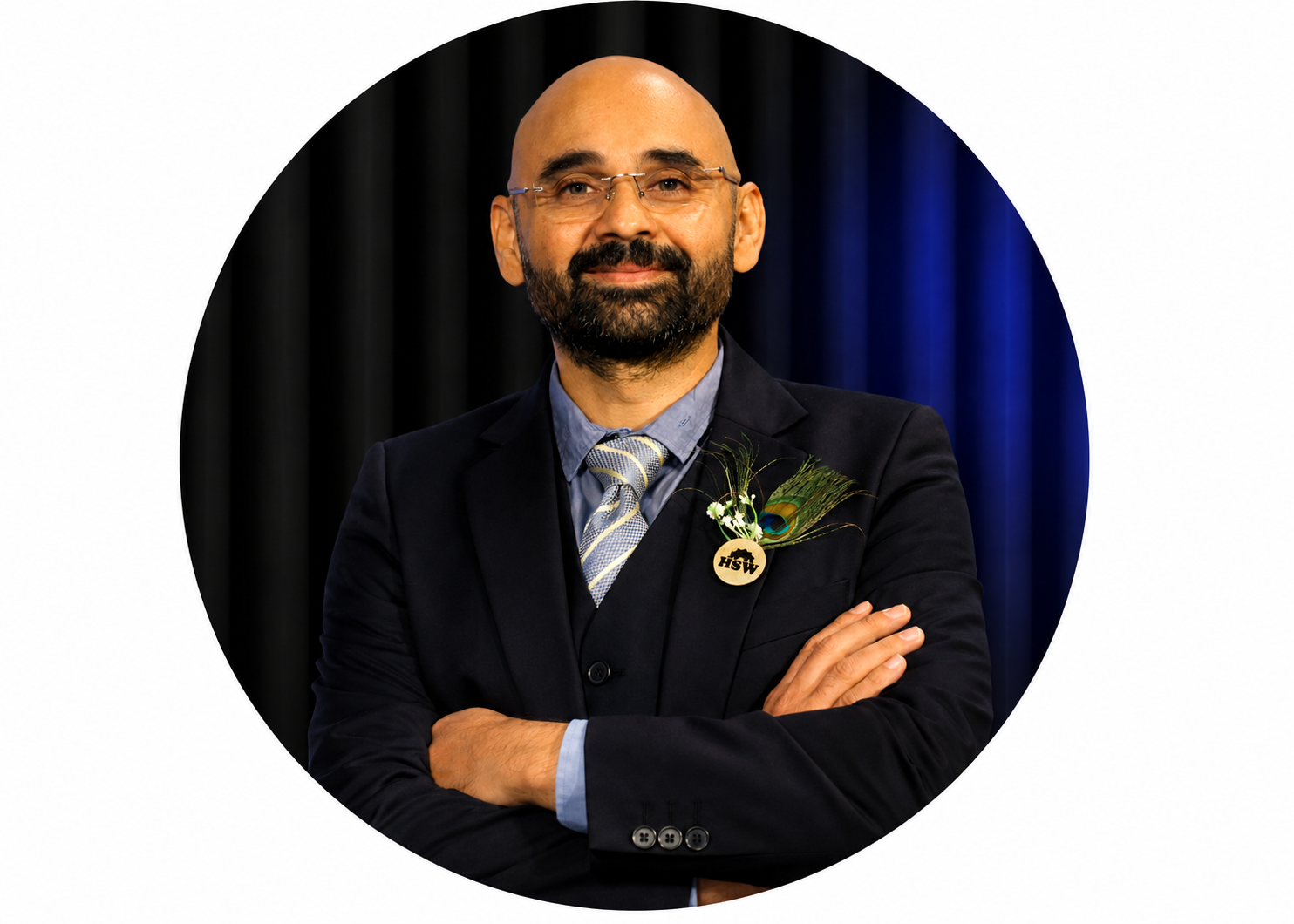
Mr. Tapan Kapadia is the Founder and Director of HSW, a pioneer in accessible single-head commercial embroidery machines. With over three decades of textile industry experience, he has empowered tens of thousands of home entrepreneurs and small businesses across India.